
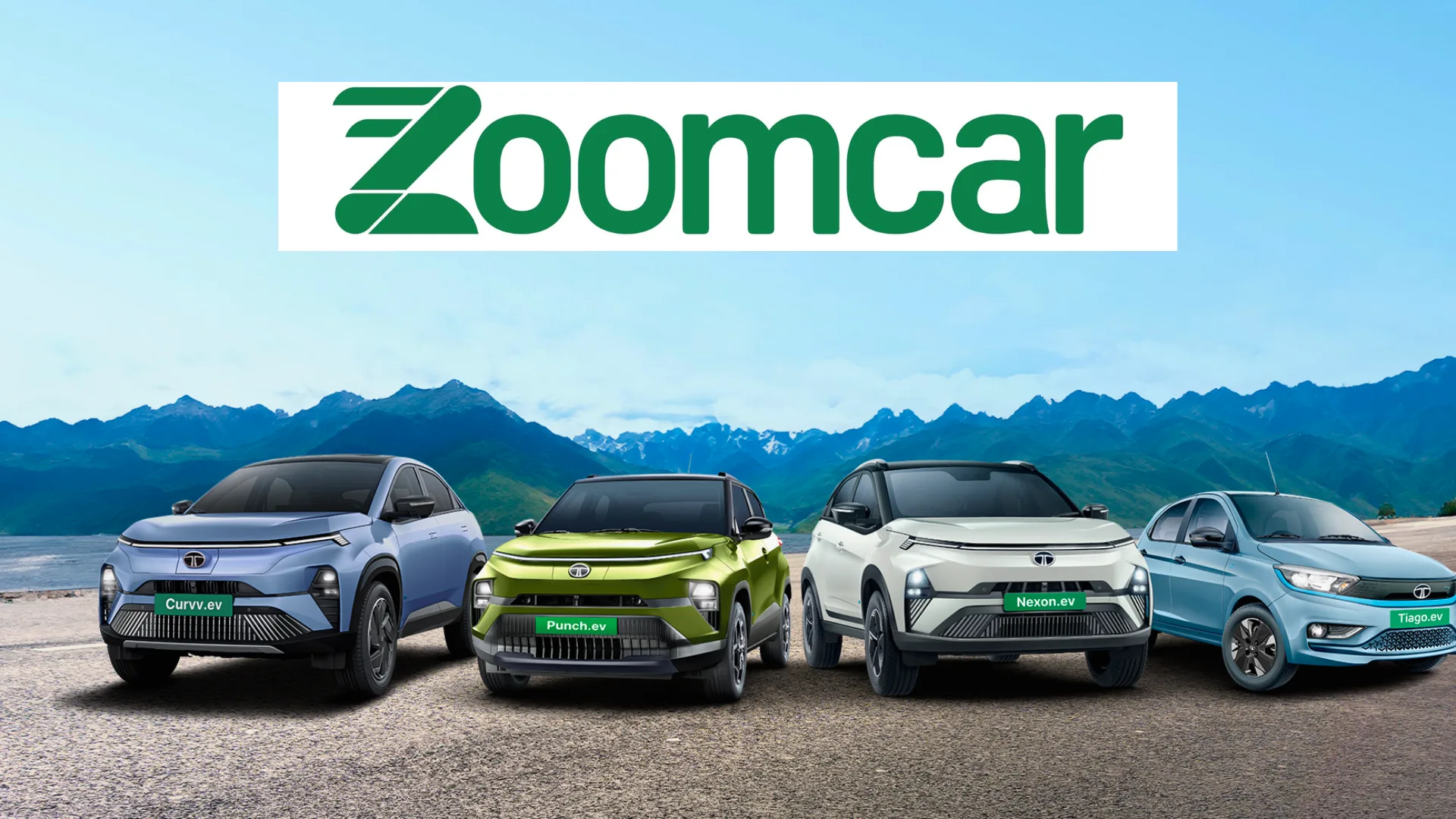
Self-drive car rental platform Zoomcar has called for a more experience-led approach to electric vehicle (EV) adoption in India, arguing that the biggest barrier to growth is not consumer intent but limited real-world exposure to EVs.
In its newly released EV Experience Insight Report, Zoomcar notes that despite growing policy support and infrastructure investments, electric cars still account for around 2% of new passenger vehicle sales in India. According to the company, this gap persists largely because most buyers have not spent meaningful time living with an EV beyond brief showroom test drives.
The ‘EV Experience Gap’
The report identifies three key factors holding back wider adoption:
-
Charging access friction, particularly outside major cities
-
Concerns around battery health and longevity
-
Low familiarity with real-world EV usage, including planning trips and managing charging
Zoomcar argues that short-term access to EVs — even for just a few days — can help potential buyers overcome these uncertainties more effectively than conventional marketing or static test drives.
Insights from Pilot Programs
Zoomcar’s findings are based on EV pilot programs conducted across select Indian metros. During these pilots, EVs saw the strongest demand for urban commuting, airport transfers, and short-distance trips, where charging availability and range planning were less of a concern.
However, the pilots also highlighted clear constraints. Renters and hosts reported:
-
Charging anxiety on longer intercity routes
-
Uneven fast-charging coverage on highways and tourist corridors
-
Limited home-charging options for hosts living in apartment complexes
-
Higher vehicle downtime linked to charging cycles
These challenges, the report notes, mirror the same concerns that discourage first-time EV buyers.
Why 2026 Could Be a Turning Point
Zoomcar sees 2026 as a potential breakout year for EV adoption, citing a combination of factors: the next phase of EV policy support under discussion, steady expansion of public and private charging networks, and growing consumer awareness.
The company says it plans to work with vehicle manufacturers, charging infrastructure providers, and policymakers to build a more structured EV experience programme. The idea is to allow consumers to use an EV in everyday scenarios — commuting, errands, short trips — before making a purchase decision.
Industry Perspective
“India doesn’t have a demand problem — it has an experience gap,” said Deepankar Tiwari, CEO of Zoomcar. “Giving people access to EVs for just two or three days can accelerate adoption more effectively than any marketing campaign.”
He added that as India moves toward its longer-term EV targets for 2030, shared and self-drive mobility platforms could play a foundational role in familiarising consumers with electric vehicles at scale.
Broader Implications
Zoomcar’s report adds to a growing industry view that hands-on exposure will be critical in India’s EV transition. While upfront costs and infrastructure remain important, the company argues that confidence — built through real-world use — may ultimately determine how quickly EVs move beyond early adopters.
As India prepares for the next phase of electric mobility growth, platforms that allow consumers to experience EVs without ownership commitments could become an increasingly important part of the adoption ecosystem.