
Every now and again a passing press release triggers a double take … and one from Volvo this past week achieved that in spades – including checking the release date wasn’t April 1!
It wasn’t (the release is dated March 25), but Volvo UK did announce the arresting news that it has delivered its first commercial vehicle: the fully electric EX30 Cargo.
So yes, that was where I did the double-take. Turning the EX30 small SUV into a van: WTF? Delving further into the release showed a light touch has been taken to the conversion, but a fair amount of thinking had gone into it.
The van version involves blacking out the rear windows, removing the back seat, putting in a flat floor with an access panel to utilise the old footwell of the rear seat and adding a cargo barrier.
The result is a 1000 litre cargo area and 390kg payload. They have even gone to the effort of altering the rear door hinge straps to allow them to open wider than the passenger version, plus the rear side and door panels of the interior have been changed to allow for a further increase to the load volume over the passenger car.
However, this sort of thing is not unusual: the UK has a proud history of making small vans out of passenger cars. In fact, they have a special category called ‘car-derived van’, defined as ‘a goods vehicle that is adapted as a derivative of a passenger vehicle and which has a maximum laden weight not exceeding two tonnes.’
In the past, many were created from adapting passenger cars to add a van or ute style rear to the front passenger section (think Mini van/utes or Austin A30 vans/utes) although latterly they have been simpler interior conversions of hatches and station wagons – such as the Renault Zoe ZE van that I reported on back in 2020.
So once you get past the surprise factor, it does start to add up. In the past, many tradies used station wagons instead of small vans (or worse still, large, open utes) as these were not suited to protecting vibration sensitive equipment or carrying the small amount of equipment and tools specialised technicians actually need.
As such, it makes for more comfortable travel with passenger car mod-cons and features not commonly seen in light commercial vehicles … as well as lower tollway fees compared to those charged for most utes.
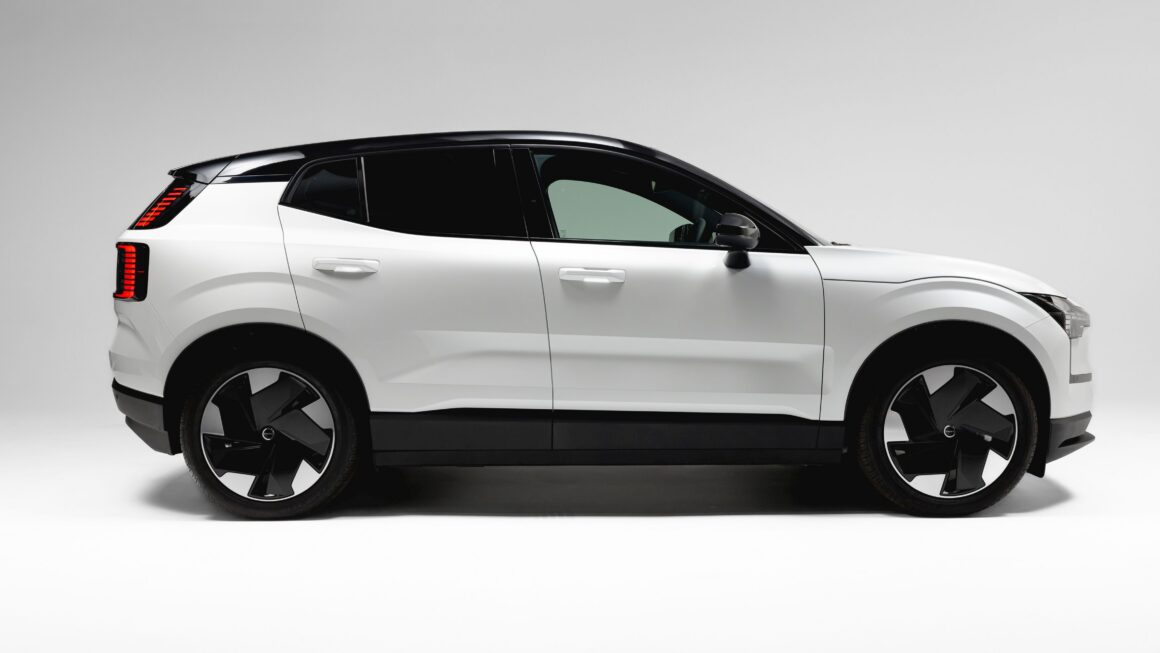
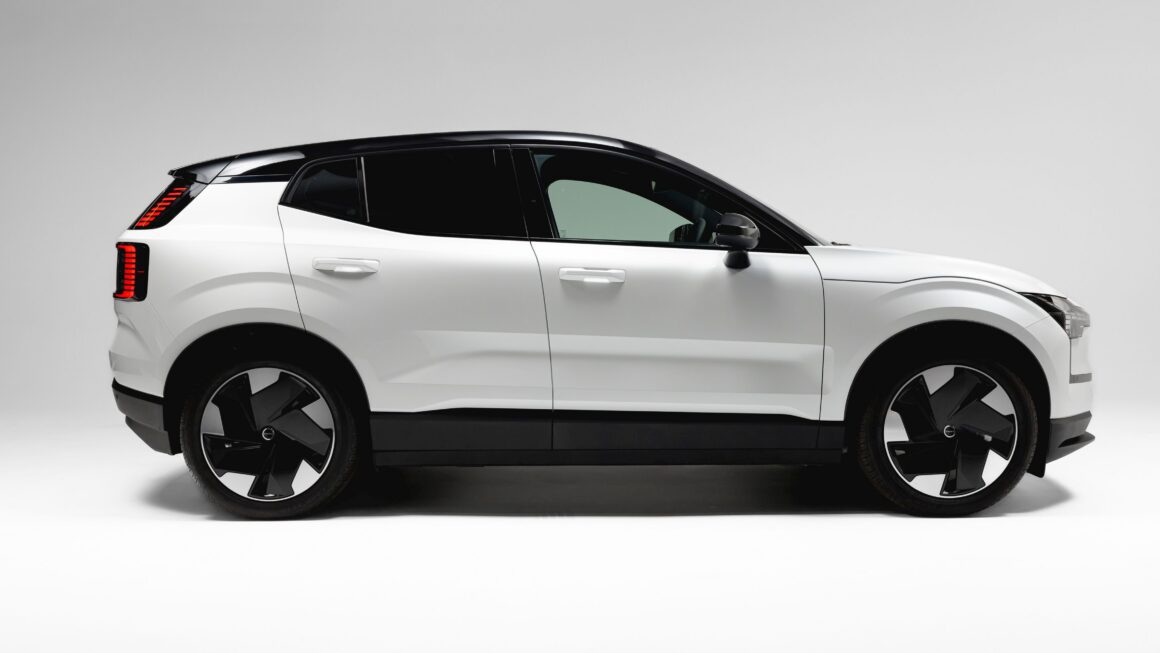
Volvo EX30 Cargo. Image: Volvo car UK.
It is, however, not an option produced from the factory – rather, it’s done as a second-stage conversion by Volvo Car UK and can be applied to both newly ordered and existing vehicles.
Sadly, the current Australian obsession with needing to be seen in a ute to be considered to have made it as a tradesperson would make it an unlikely kit for Volvo to add as an optional extra for your EX30 here. Mind-you, it could be fun to wander down to your local Volvo dealer to ask about one. Just don’t do it on April 1 or they really won’t believe you that it could exist!
The Volvo EX30 Cargo is on sale now, priced from £36,010 on-the-road ($A69,500) and is available exclusively through Volvo Car UK’s fleet sales channels.


Bryce Gaton is an expert on electric vehicles and contributor for The Driven and Renew Economy. He has been working in the EV sector since 2008 and is currently working as EV electrical safety trainer/supervisor for the University of Melbourne. He also provides support for the EV Transition to business, government and the public through his EV Transition consultancy EVchoice.