
Tata Punch EV vs MG Windsor EV Design & Road Presence
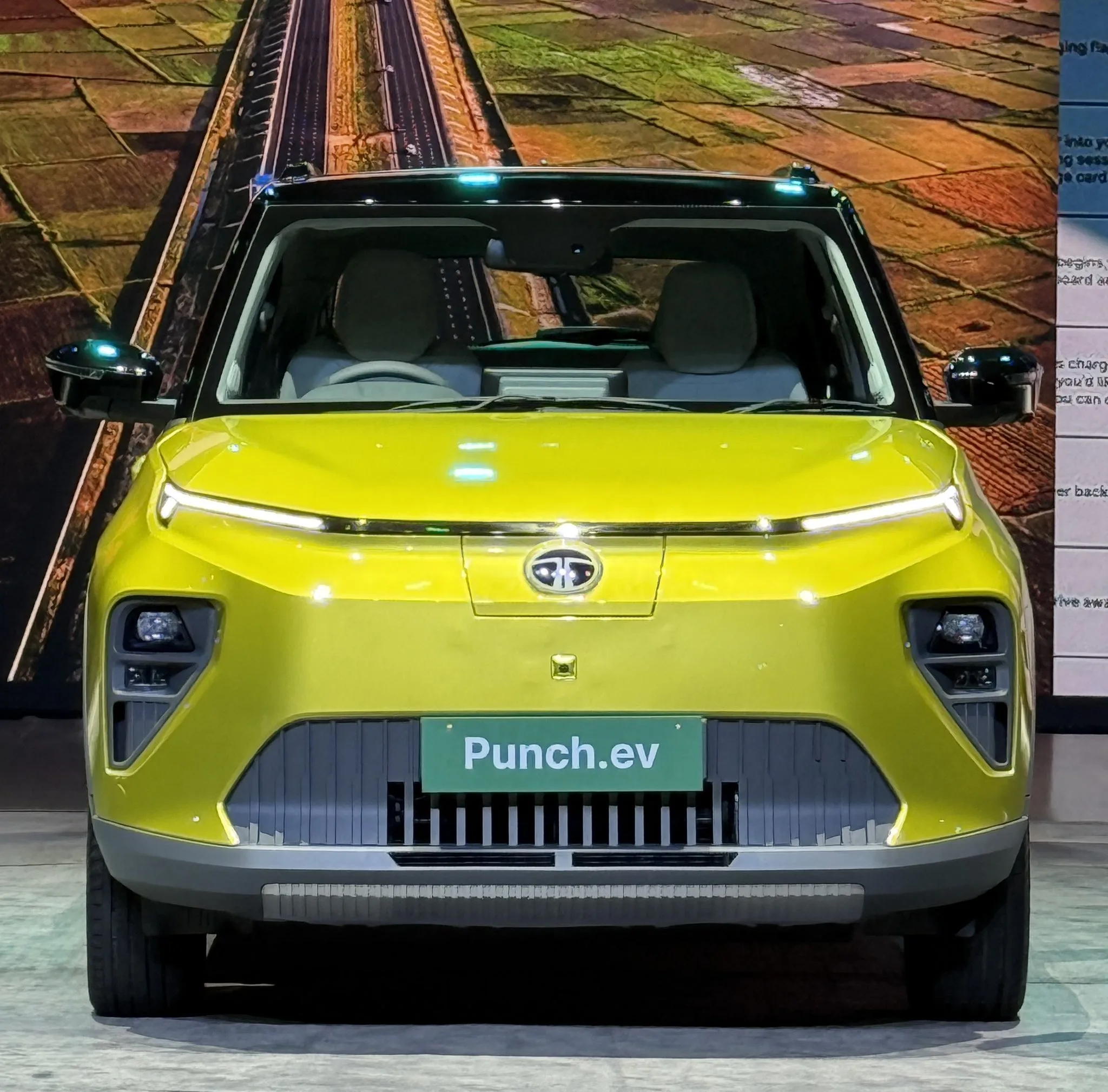
When I first looked at the Tata Punch EV Facelift, I noticed how much sharper and more mature it feels compared to earlier versions. The illuminated logo, split LED headlamps, and closed-off EV grille give it a clean electric identity. Tata has refined the stance without making it flashy.
It still feels compact, urban-friendly, and practical.
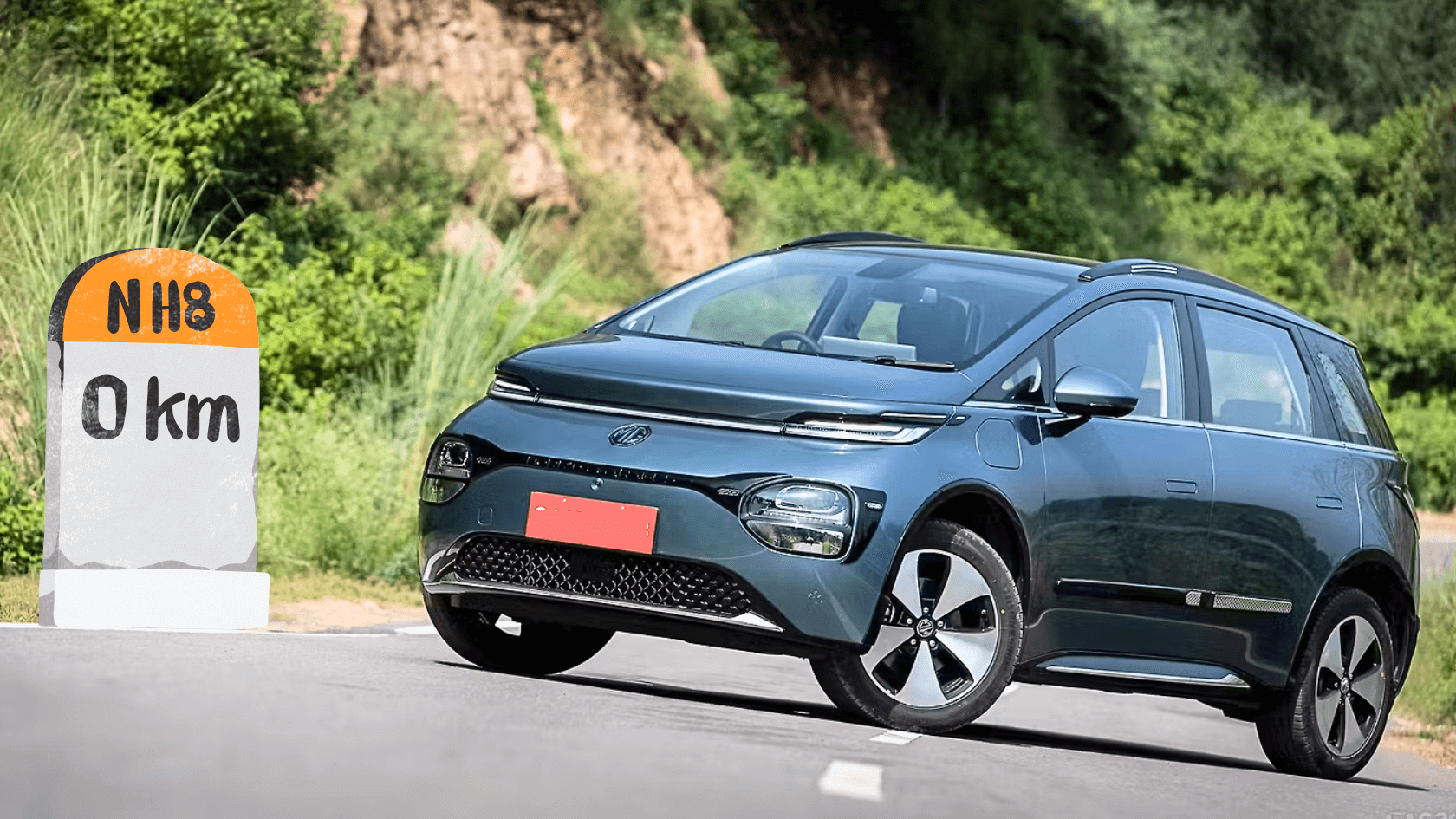
The MG Windsor EV, however, plays a different game. It is taller, wider, and visually more substantial. The C-shaped DRLs, panoramic sunroof, and upright crossover design give it a strong road presence. It doesn’t try to be subtle. It wants attention.
If I judge purely on presence, the Windsor feels more premium and commanding. But if I think about Indian city roads and tight parking spaces, the Punch EV’s compact footprint becomes a major advantage.
My take: Windsor wins on visual impact. Punch wins on urban practicality.
Interior & Cabin Experience
This is where I see a clear difference in philosophy.
The MG Windsor EV offers serious cabin space. A 2,700 mm wheelbase is impressive for this segment. Rear seat comfort is genuinely strong, and features like reclining rear seats and a panoramic sunroof elevate the experience.
When I evaluate cars for Indian families, rear comfort matters and Windsor clearly delivers.
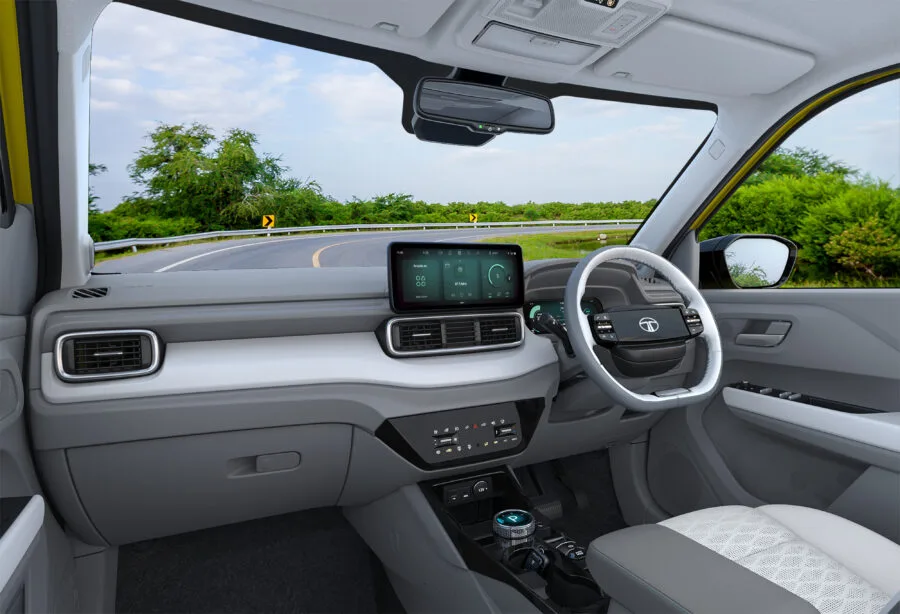
The Tata Punch EV Facelift has improved significantly inside.
The 10.25-inch touchscreen, digital instrument cluster, and improved material quality show Tata’s effort to modernise the cabin. It feels practical and well-thought-out. However, it cannot match the Windsor’s sheer cabin volume.
If I were buying for a small urban family or daily office commute, the Punch EV would feel adequate. But if rear passenger comfort is a priority, the Windsor stands ahead.
My take: Windsor wins on space and premium feel. Punch remains sensible and city-focused.
Battery, Range & Performance
Range anxiety is still real in India. I see it in every buyer conversation.
The Tata Punch EV Facelift offers two battery options 25 kWh and 35 kWh. The larger battery claims up to 421 km (ARAI). Even after adjusting for real-world driving, that’s reassuring. For buyers who occasionally travel outside the city, this matters.
The MG Windsor EV comes with a 38 kWh battery and a claimed 331 km range.
In practical Indian conditions, I expect around 280–300 km. That is sufficient for most city users.
Where Windsor impresses me is charging flexibility. With 11 kW AC charging support, home charging becomes faster and more convenient if you have the right setup. DC fast charging support is also slightly stronger.
Performance-wise, the Windsor’s 134 bhp motor feels more energetic compared to the Punch’s 82 bhp and 122 bhp outputs. For overtakes and highway merging, that extra power is noticeable.
My take:
Technology & Safety
Both cars come loaded with modern tech.
Tata offers iRA connected features, OTA updates, and ADAS in higher variants. I’ve always appreciated OTA capability because it future-proofs the car to some extent.
MG counters with its i-SMART system, Alexa integration, 360-degree camera, and broader ADAS availability. In my observation, MG tends to make advanced features accessible across more variants.
If technology accessibility matters to you, Windsor has an edge. If long-term software upgrades matter, Tata’s OTA ecosystem is valuable.
My take: Windsor edges ahead in overall tech package. Punch remains strong in connected ecosystem reliability.
Pricing & Ownership Strategy
This is where things get interesting.
The Tata Punch EV Facelift starts around ₹10.99 lakh (ex-showroom), making it one of the most affordable EVs in the segment. For many first-time EV buyers, upfront affordability still matters the most.
The MG Windsor EV starts higher, around ₹13.50 lakh. But MG introduces something different, a Battery-as-a-Service (BaaS) model.
This allows buyers to purchase the vehicle without the battery and pay per kilometre for battery usage.
From my perspective, BaaS is innovative but not for everyone. It benefits high-usage urban drivers and fleet-style buyers more than occasional users. Some private buyers may still prefer full ownership without subscription-style commitments.
My take:
-
For the lowest upfront cost and straightforward ownership, Punch EV makes more sense.
-
For flexibility and reduced battery risk, Windsor’s BaaS model is worth serious consideration.
So, Which One Would I Recommend?
After looking at both from a practical Indian perspective, I see them targeting two distinct buyer profiles.
I would recommend the Tata Punch EV Facelift to:
I would recommend the MG Windsor EV to:
-
Buyers who want more cabin space
-
Families prioritizing rear-seat comfort
-
Tech-savvy users
-
Those open to innovative ownership models like BaaS
My Final Thoughts
What excites me most is not which one wins, but that buyers now have meaningful choice in the compact EV segment.
A few years ago, options were limited. Today, manufacturers are competing on space, technology, pricing strategy, and ownership innovation.
If you want practical and proven, the Punch EV is the safer bet.
If you want spacious, feature-rich, and slightly more premium, the Windsor feels more aspirational.
Either way, Indian EV buyers are no longer compromising. And in my view, that’s the biggest victory of all.