
Rocklink India Pvt. Ltd. has announced the launch of its first integrated recycling facility in India, located in the UPSIDC Industrial Area in Sikandrabad. The plant is designed to process lithium-ion batteries, rare earth magnets, and metal-bearing industrial waste—marking a step forward in building India’s circular economy for critical materials.
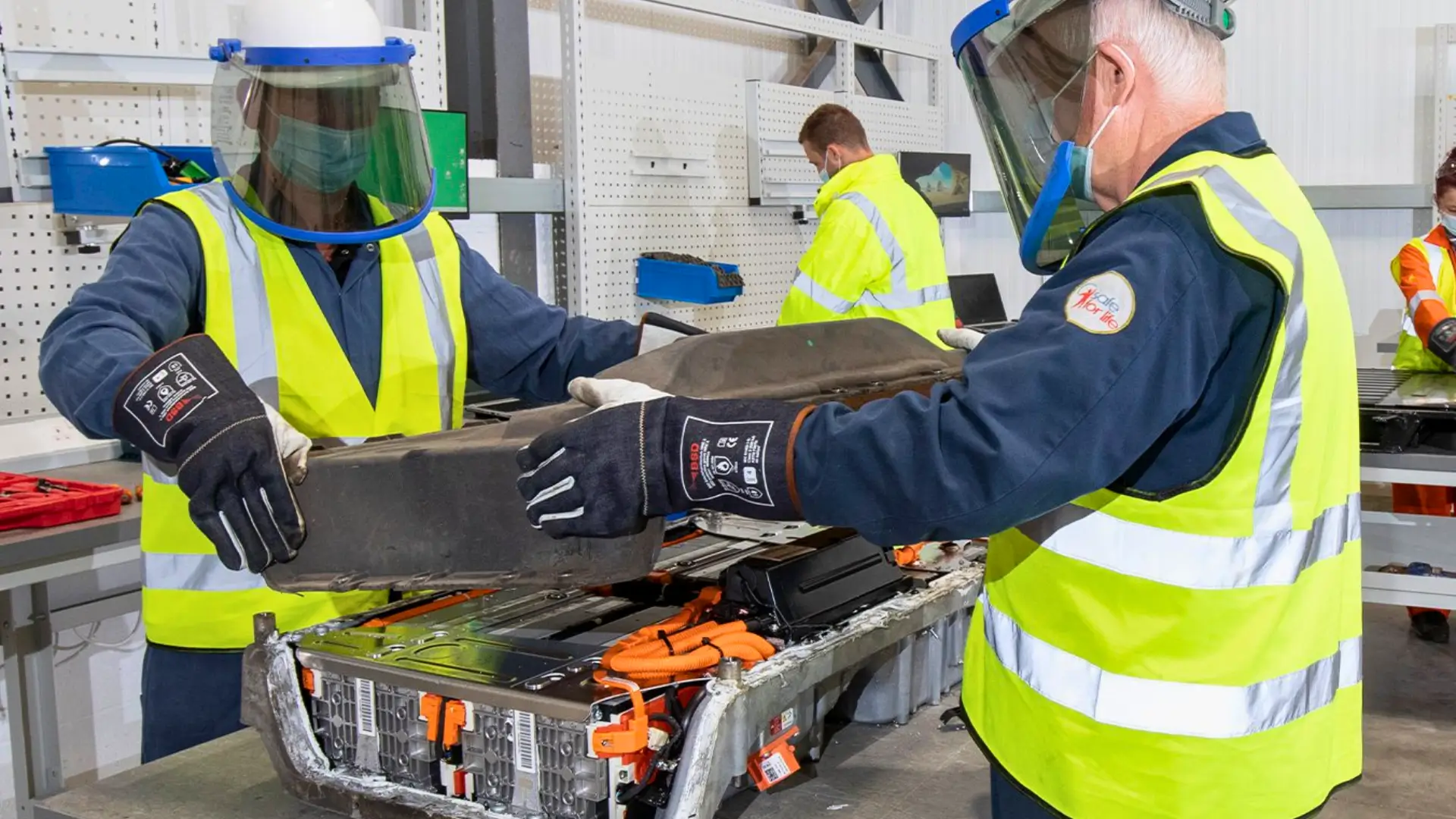
The facility starts with a lithium-ion battery recycling capacity of 10,000 tonnes annually. It also includes rare earth magnet processing operations with a capacity of 60 tonnes per month. In addition, the company plans to commission a rare earth chloride processing line with a capacity of 1,500 tonnes per year by the first quarter of 2026, further strengthening its materials recovery capabilities.
According to Leonard Alexander Ansorge, Director at Rocklink India, the new facility is aimed at supporting India’s growing demand for critical raw materials used in sectors like electric mobility, renewable energy, and advanced manufacturing. He noted that developing domestic recycling infrastructure is essential for reducing reliance on imports and ensuring long-term supply stability.
The plant is registered under India’s Extended Producer Responsibility (EPR) framework and is capable of handling 95 types of battery scrap, including both pre-consumer and post-consumer waste. It uses the company’s in-house developed recycling technology, known as R2, which safely processes battery materials while removing hazardous compounds.
Rocklink India claims the process achieves over 98% recovery efficiency for key metals such as aluminium, copper, and iron. The output includes high-purity “black mass,” a crucial intermediate material used in further refining of battery-grade elements.
Beyond recycling, the company plans to add battery refurbishment operations at the site. This will involve testing, balancing, and repackaging viable battery cells to extend their lifecycle—an approach that could improve resource efficiency and reduce waste.
The facility also features dedicated systems for recycling rare earth magnets, including materials such as NdFeB, SmCo, and AlNiCo. These magnets are widely used in electric motors and industrial equipment. Semi-automated dismantling lines will help improve traceability and sorting efficiency during processing.
Rocklink India is also introducing its Magcycle™ reverse logistics model in the Indian market. Previously implemented in Europe, the system focuses on organized collection and routing of magnet scrap into recycling streams, improving supply chain transparency.
To further enhance processing efficiency, the company follows a “Know Your Material” (KYM) approach, using in-house laboratory testing to determine optimal recycling pathways. Materials unsuitable for direct recycling will be converted into rare earth chlorides using a high-temperature rotary kiln system at the upcoming processing unit.
The company said it will collaborate with startups, research institutions, and government bodies to advance recycling technologies and strengthen India’s domestic supply chain for critical raw materials.
Rocklink India is a subsidiary of Germany-based Rocklink Group and focuses on technology-driven recycling solutions for batteries, rare earth magnets, and industrial waste.