
Support CleanTechnica’s work through a Substack subscription or on Stripe.
Or support our Kickstarter campaign!

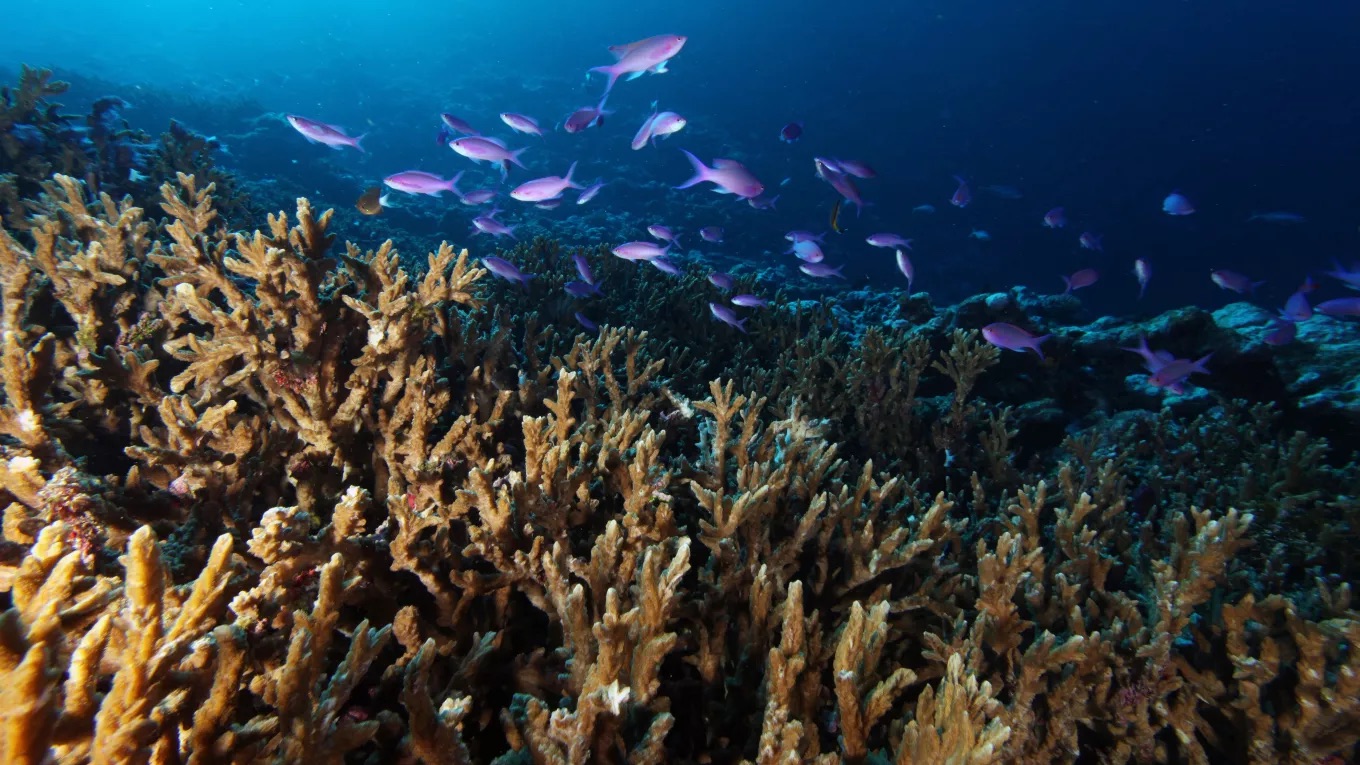
This would destroy deep-sea habitats and the ecosystems they support.
By Rebecca Loomis, Staff Attorney, Nature, NRDC
The Trump administration is supporting a new and highly destructive deep-sea mining (DSM) industry in our ocean, despite immense environmental risks and broad international opposition. Early in his second term, President Trump issued an executive order directing agencies to fast-track deep-sea mining in both U.S. and international waters. Since then, and for the first time ever, the Bureau of Ocean Energy Management (BOEM) officially initiated the process of leasing for deep-sea mining offshore American Samoa and the Commonwealth of the Northern Mariana Islands (CNMI). BOEM also plans to initiate minerals leasing offshore Virginia. Meanwhile, the National Oceanic and Atmospheric Administration (NOAA) is advancing an application for an exploration license in the Pacific Ocean southeast of Hawai‘i and may soon advance an application for a permit to mine in the same area.
By fast-tracking deep-sea mining, the administration is leading a race to the bottom. The deep sea is the largest and least-explored habitat on earth. Humans know very little about it, yet we do know that DSM would likely cause significant and irreparable harm to deep-sea habitats over huge areas, including the destruction of the seafloor and the ecosystems it supports. The discharge of mining waste would result in sediment plumes that could spread for hundreds of miles.
Recognizing that the oceans drive our planet’s health, we must stop—or at least pause—DSM until the environmental, sociocultural, and economic risks are understood and alternatives to deep-sea minerals—including recycling, reuse, and technological advancements—have been adequately explored. This precautionary approach is supported by 40 countries, more than 950 scientists and marine policy experts from over 70 countries, 70 major business and financial institutions (including Apple and Google), the International Union for Conservation of Nature, civil society groups from across the world, and numerous Indigenous leaders. Domestically, American Samoa, California, Hawai‘i, Oregon, and Washington have prohibited DSM in their waters altogether, and Guam has called for a domestic and international moratorium on DSM.
Life in the deep ocean
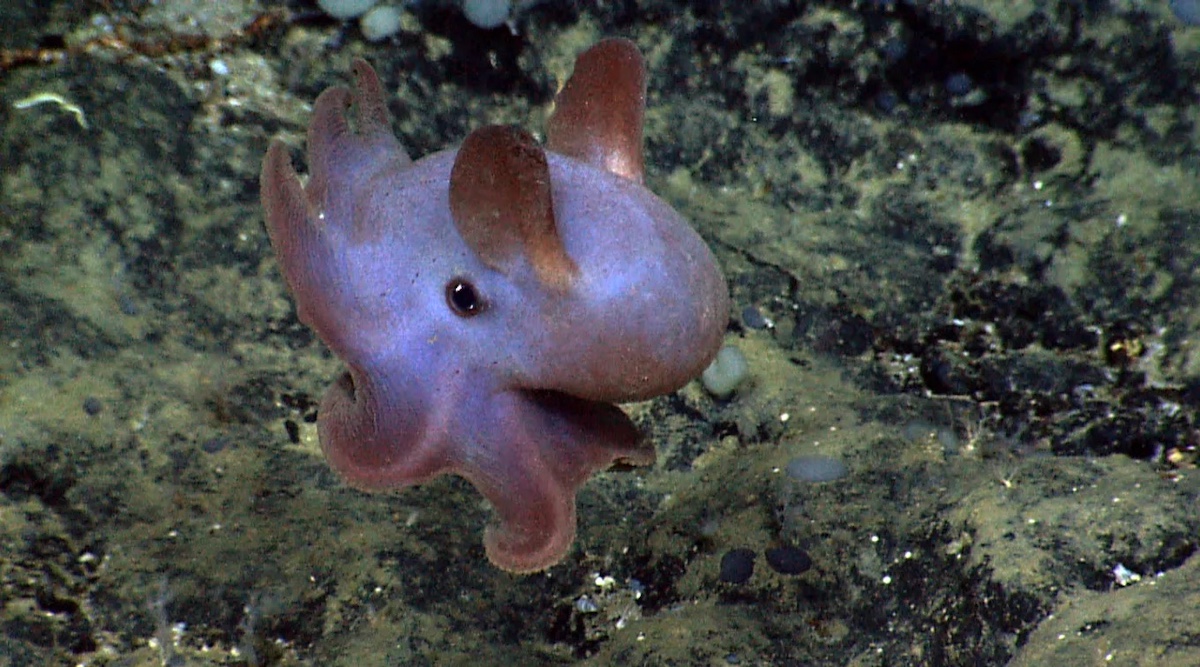
The deep sea is home to a fascinating array of species found nowhere else on earth, like the dumbo octopus (above). Many such species exhibit low metabolic rates, allowing them to survive in the cold, deep ocean environment where food is scarce. This slows their growth and reproduction, limiting their ability to recover from disturbance or destruction of their habitat. As a result, damage to the fragile deep-sea environment will have devastating and lasting impacts on the life within.
Species in the deep sea live on and among the mineral formations targeted by deep-sea mining. Cobalt-rich crusts, one type of deep-sea mineral, are mainly found firmly attached to the surface of seamounts (underwater mountains), which provide habitat that supports important oceanic processes and rich biodiversity. Studies have found a higher abundance of marine wildlife at seamounts, including top predators like sharks and tuna.
Deep-sea organisms may also have important medical implications. For example, scientists developed a powerful cancer treatment from a compound isolated from a species of deep-sea sponge.
While we know that the deep ocean hosts an astonishing diversity of life and supports key ecosystem services—like nutrient cycling, carbon storage, and possibly even oxygen production—there is still much to learn and explore. Scientists have discovered more than 5,000 new marine species in deep-sea environments since 2001, and rates of discovery continue to be high, suggesting that our knowledge of deep-sea species is far from complete. More research is needed to fully understand the importance of this ecosystem.
The huge risks of deep-sea mining
Deep-sea mining is a nascent industry. Technology is still under development, and commercial-scale DSM operations have never been successfully carried out anywhere in the world, although various companies have conducted exploratory activities in the deep ocean, as well as pilot testing. Proposed operations generally include an underwater mineral collection system for excavating and crushing minerals and separating out sediments, a lifting system for transporting minerals to the surface, and a surface platform for initial processing and storage of ores.
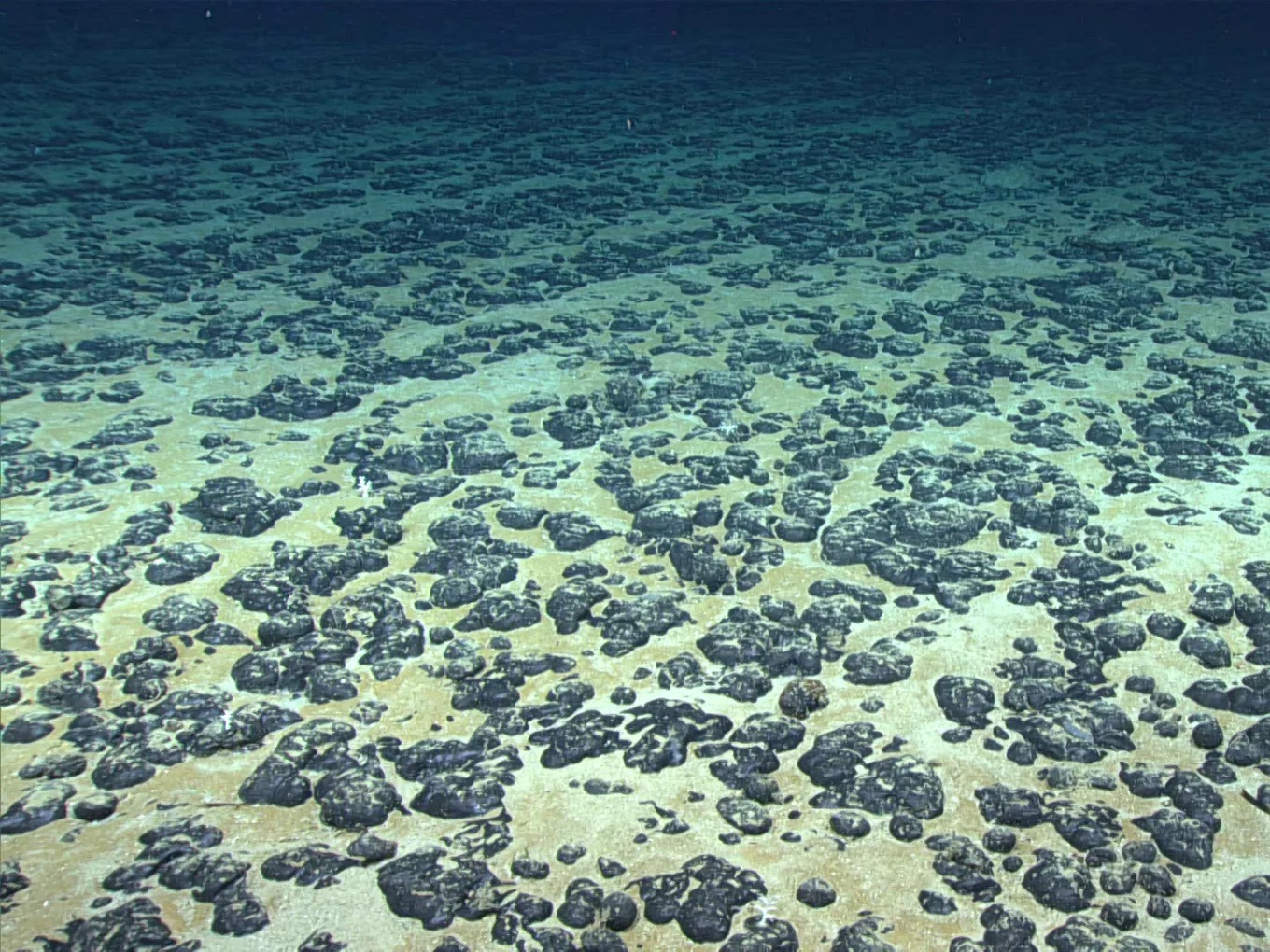
Proposed operations would target several forms of deep-sea minerals, including potato-sized polymetallic nodules and cobalt-rich ferromanganese crusts, which are found on the seafloor and on the surface of seamounts hundreds to thousands of meters below the surface. Many deep-sea mineral deposits form slowly over millions of years. Deposits contain nickel, cobalt, manganese, copper, and other minerals listed as critical by the U.S. Geological Survey.
Most processes proposed for excavating minerals from the seabed would crush seafloor organisms, destroy habitat, and scar the seafloor. Mining cobalt-rich crusts, for example, would require removal of vast areas of seamount surface—essentially, strip-mining in the ocean. Destroying the surface crusts would destroy the habitat of communities living on and near the seamount, potentially causing cascading harms throughout the ocean food web.
In addition to destroying areas of the seabed, deep-sea mining activities would produce sediment plumes—large, murky clouds of fine particles like silt and minerals—at the seafloor and in the water column, where sediment would be discharged after mineral ores are preprocessed. These plumes would smother seabed life and interfere with the feeding and breathing of organisms in the water column. They may contain toxic metals that could, through bioaccumulation in tuna and other commercially significant species, contaminate the seafood supply. Deep-sea mining would also introduce noise and light pollution, as well as increase vessel traffic at the surface. Finally, mining activities could disrupt carbon storage in the deep seabed, one of our planet’s most significant carbon sinks.
While mining proponents often argue that deep-sea minerals are needed to meet growing demand for renewable energy technologies, serious questions exist about how real this need actually is. For example, prices and demand for nickel and cobalt have fallen since 2020 (and the International Energy Agency considers their projected supplies to be adequate for at least the next decade). Anticipated expansion of terrestrial sources, focused government attention on diversifying the supply chain, recycling improvements, and battery innovation will move us beyond the need for the minerals that deep-sea mining could supply.
It is not only market conditions that weigh against the likely success of deep-sea mining. The conditions of the deep ocean—including near-freezing temperatures and high pressure and salinity—present serious technical challenges to vehicle and mining operations, and the potential for technical malfunction and breakdowns are likely to raise costs and lower operational success. A recent technological and economic assessment found that such projects are likely to generate negative returns, largely due to high operating costs, uncertain productivity, and immature extraction and processing technologies. In light of these economic and technological uncertainties, deep-sea mining operations could fail to yield significant quantities of minerals while causing immense and long-lasting damage to the marine environment.
Deep-sea mining in U.S. waters
For the first time ever, BOEM is considering using its leasing authority to grant rights for deep-sea minerals to private companies. In the past six months, BOEM has announced its interest in issuing leases in U.S. waters offshore American Samoa, the CNMI, Guam, and Virginia.
In summer 2025, BOEM initiated the leasing process for an 18-million-acre area east of American Samoa by inviting public comment through a request for information (RFI) from Impossible Metals. The proposed leasing area borders the National Marine Sanctuary of American Samoa and the Rose Atoll Marine National Monument, places set aside for their unique marine environments and irreplaceable biodiversity. Deep-sea mining offshore American Samoa could harm fisheries that are central to Samoan traditions and ways of life, as well as the territory’s economy. American Samoa leaders—including the governor, territory legislative leaders, and the U.S. congressional representative—expressed united opposition to deep-sea mining in this area. BOEM received more than 75,000 comments in response to the RFI, and of the comments released to the public, the vast majority opposed leasing. Despite widespread opposition, BOEM nearly doubled the area under consideration to 33 million acres and continues to advance the leasing process for this area.
BOEM also issued an RFI for leasing a 35-million-acre area east of the CNMI and Guam. CNMI and Guam leaders responded swiftly by introducing resolutions opposing BOEM’s actions to fast-track deep-sea mining without consulting territorial governments, Indigenous leaders, and affected communities. A healthy ocean is integral to daily life across Guam and the 14 islands of the CNMI—sustaining food security, supporting local economies such as fishing and tourism, and grounding cultural stewardship practices. The proposed leasing area hosts ecologically essential seamounts and other habitats and is likely home to numerous species that would be new to science and could be destroyed by mining activities. The RFI area also borders the Mariana Trench Marine National Monument, which protects unique geological features and species. BOEM received more than 60,000 comments, letters, and petitions opposing deep-sea mining in waters around CNMI and Guam.
Near the end of 2025, BOEM further announced plans to initiate the leasing process for heavy mineral sands and phosphorites offshore Virginia in response to a request from Odyssey Marine Exploration. The agency has not provided details on the timing of an RFI or the precise location under consideration. Healthy beaches and waters are important to the state, which hosts a vibrant coastal economy. Its shorelines and waters provide jobs, food, and opportunities for recreation and enjoyment to residents and visitors. Federal waters offshore Virginia serve as a migratory route for important whale species, such as humpback whales and the critically endangered North Atlantic right whale. Depending on the location and nature of proposed activities, mining offshore Virginia could harm these species and the state’s coast.
Deep-sea mining in international waters
The Deep Seabed Hard Mineral Resources Act (DSHMRA) authorizes NOAA to issue exploration and mining permits to U.S. companies in areas beyond national jurisdiction. Congress enacted DSHMRA in 1980 as an interim program for regulating deep-sea exploration and mining, pending U.S. ratification of an international high seas treaty. Although the United Nations Convention on the Law of the Sea (UNCLOS) entered into force in 1994, the United States never ratified the treaty.
NOAA has fast-tracked deep-sea mining approvals by finalizing a rule that consolidates exploration and exploitation permitting procedures under DSHMRA, thereby making it easier for deep-sea mining companies to obtain—for the first time—commercial recovery permits in international waters. The Metals Company (TMC) has already taken advantage of the new rule by applying for exploration and commercial recovery authorizations for deep-sea mining in an area of the Pacific Ocean southeast of Hawai‘i known as the Clarion-Clipperton Zone. NOAA is also considering an earlier TMC application for exploration licenses, and the agency is seeking public comment until February 23, 2026.
By unilaterally authorizing commercial-scale deep-sea mining in international waters, the United States would flout ongoing multilateral governance efforts. DSHMRA and UNCLOS each recognize deep seabed minerals as the “common heritage of mankind.” UNCLOS established the International Seabed Authority (ISA) to regulate mineral-related activities in areas beyond national jurisdiction. Until the ISA establishes regulations governing deep-sea mining in areas beyond national jurisdiction, UNCLOS member states are prohibited from conducting such activities. Although the United States is not a party to UNCLOS, it relies upon international legal frameworks to assert its own interests in preventing illegal fishing, conducting military activities and navigation, and drawing ocean boundaries. Defying the international community to advance a speculative and destructive industry goes against U.S. interests and could damage our relationships with allies and other foreign governments.
A precautionary approach is needed to protect our ocean
The administration has clearly signaled an intent to fast-track leasing and permitting for deep-sea mining, narrow agency review, and reduce U.S. engagement at the ISA. These actions open the door to a new, environmentally destructive industry and put the United States on a path to jeopardizing geopolitical interests. Given the nascent nature of the industry, significant uncertainties about the deep seabed environment, and potential for immense environmental harm, the United States should take a precautionary approach to deep-sea mining.
Support CleanTechnica via Kickstarter

Sign up for CleanTechnica’s Weekly Substack for Zach and Scott’s in-depth analyses and high level summaries, sign up for our daily newsletter, and follow us on Google News!
Have a tip for CleanTechnica? Want to advertise? Want to suggest a guest for our CleanTech Talk podcast? Contact us here.
Sign up for our daily newsletter for 15 new cleantech stories a day. Or sign up for our weekly one on top stories of the week if daily is too frequent.
CleanTechnica uses affiliate links. See our policy here.
CleanTechnica’s Comment Policy