
India’s electric passenger vehicle (EV) market closed CY2025 on a strong growth note, registering 1,76,538 electric cars and SUVs, marking a 77% year-on-year increase over CY2024, as per Vahan registration data.
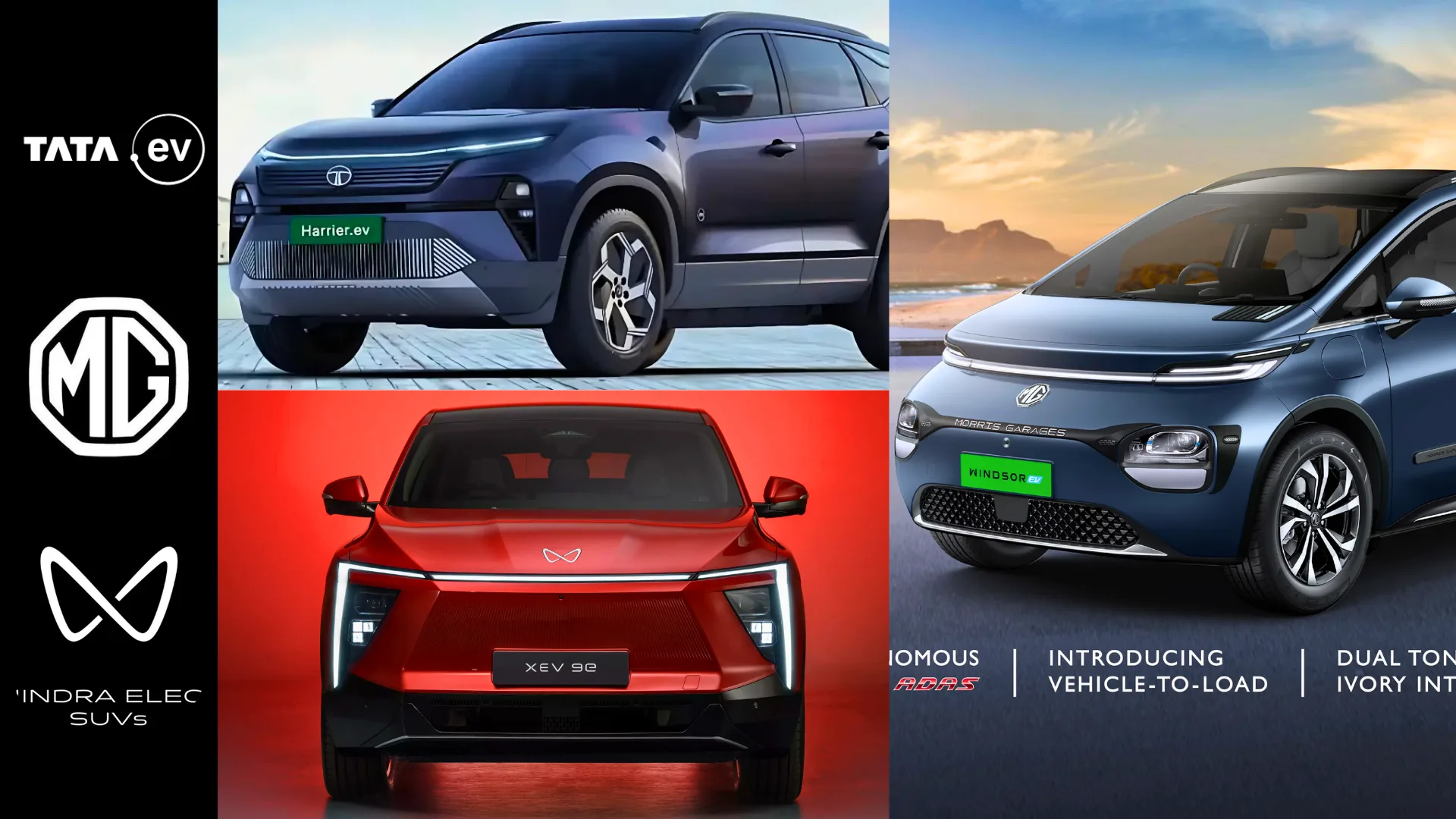
The year underlined a clear consolidation at the top, with Tata Motors, JSW MG Motor, and Mahindra & Mahindra accounting for nearly 88% of total electric four-wheeler sales in the country.
India Electric Car Sales by OEM – CY2025 (Vahan Data)
| Rank | OEM / Brand | CY2025 Sales (Units) | CY2024 Sales (Units) | YoY Growth (%) | Market Share (%) |
|---|---|---|---|---|---|
| 1 | Tata Motors | 69,955 | 61,747 | +13% | 39.62% |
| 2 | JSW MG Motor | 51,376 | 21,801 | +136% | 29.10% |
| 3 | Mahindra & Mahindra | 33,512 | 7,153 | +369% | 18.98% |
| 4 | Hyundai Motor India | 6,726 | 913 | +637% | 3.80% |
| 5 | BYD India | 5,402 | 2,870 | +88% | 3.05% |
| 6 | BMW India | 3,195 | 1,227 | +160% | 1.80% |
| 7 | Kia India | 2,731 | 415 | +558% | 1.54% |
| 8 | Mercedes-Benz India | 1,168 | 954 | +22% | 0.66% |
| 9 | Stellantis India | 871 | 1,925 | −55% | 0.49% |
| 10 | VinFast Auto India | 826 | New | — | 0.46% |
| 11 | Volvo Auto India | 389 | 450 | −14% | 0.22% |
| 12 | Tesla India Motors | 225 | New | — | 0.12% |
| 13 | Porsche India | 67 | 73 | −8% | 0.03% |
| 14 | Audi India | 49 | 145 | −66% | 0.02% |
| 15 | Maruti Suzuki India | 23 | New | — | 0.01% |
| 16 | Rolls-Royce Motor Cars | 19 | 16 | +19% | 0.01% |
| 17 | Jaguar Land Rover (JLR) | 4 | 4 | 0% | 0.00% |
| — | Total | 1,76,538 | 99,693 | +77% | 100% |
Source: Vahan Dashboard, January 2026
Tata Motors Retains Leadership, but Market Share Narrows
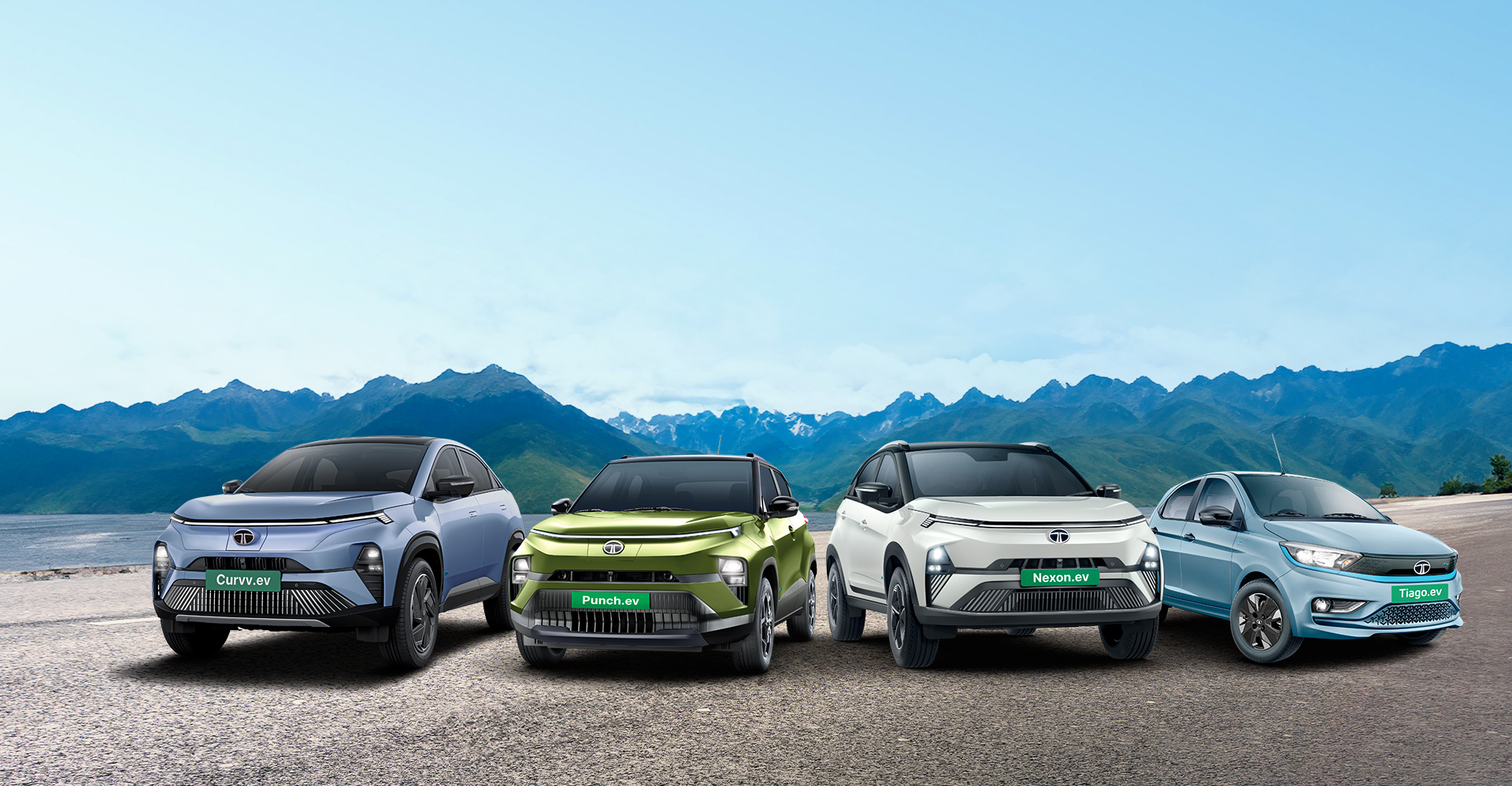
Tata Motors remained the largest electric PV manufacturer in India in CY2025, selling 69,955 units, translating to a 39.6% market share.
While Tata continued to lead in absolute volumes, its dominance softened as competition intensified. The Nexon EV and Tiago EV remained core contributors, while newer models such as the Punch EV and Harrier EV helped Tata maintain scale across multiple price segments.
JSW MG Motor Emerges as the Biggest Gainer of 2025
JSW MG Motor delivered the strongest growth performance among major OEMs, recording 51,376 EV sales, up 136% YoY.
The Windsor EV emerged as a volume driver, complemented by steady demand for the Comet EV and ZS EV. MG’s growing fleet penetration and improving private buyer acceptance pushed its market share to 29.1%, firmly positioning it as Tata’s closest rival.
Mahindra’s EV Push Pays Off with 369% Growth
Mahindra & Mahindra witnessed a breakout year, selling 33,512 electric passenger vehicles, registering a 369% YoY growth.
The success of the XUV400 and the initial rollout of BE-series electric SUVs transformed Mahindra into a high-growth EV player. By the end of CY2025, Mahindra captured nearly 19% of India’s electric car market.
Hyundai and BYD Strengthen Presence Beyond Early Adopters
Hyundai Motor India recorded 6,726 EV sales, reflecting a 637% YoY increase, driven largely by the Creta EV and steady demand for the Ioniq 5. While its overall market share remains below 4%, Hyundai’s growth trajectory signals deeper EV ambitions for 2026.
BYD India sold 5,402 units, supported by fleet demand for the e6 and rising interest in the Seal sedan. Supply constraints continued to limit volumes, but the brand maintained a stable 3%+ market share in the premium EV space.
Kia, BMW Lead Premium Electric Segment
Kia India registered 2,731 EVs, driven by EV6 demand and gradual EV9 adoption. BMW emerged as the leading luxury EV brand with 3,195 registrations, followed by Mercedes-Benz.
Luxury EV volumes remained modest but consistent, with adoption largely concentrated in metro cities.
Market Structure Becomes Clearer in CY2025
CY2025 highlighted a more structured and competitive electric car market in India:
-
The top three brands controlled nearly 88% of sales
-
Mass and mid-segment EVs drove volume growth
-
Premium EVs expanded slowly but steadily
-
New entrants saw limited traction due to pricing and supply factors
Outlook for 2026
With multiple electric SUV launches lined up, expanding charging infrastructure, and policy clarity improving across states, India’s electric passenger vehicle market is poised for another high-growth year in 2026.
The competitive gap between early leaders and late entrants is now clearly visible, setting the stage for an intense next phase of EV adoption.